What Is a Hotel Art Residency and Why Are Hotels Choosing Them Over Commercial Photography
There is a question that more hoteliers are asking in 2026: why does our visual content feel expensive but not true?
The answer, almost always, is the same. The images were made in a day or two, by someone who is not familiar with the property. The light was perfect. The soul was absent.
A hotel art residency is a different model entirely.
What Is a Hotel Art Residency?
A hotel art residency is an extended, immersive collaboration between a visual artist and a hospitality property. Rather than a one or two day commercial shoot, the artist embeds within the property for days or weeks, living the rhythm of the hotel alongside its people.
The result is not simply photography. It is a visual archive of who a property actually is: its staff, its guests, its relationship to the community and landscape around it, and the invisible energy that makes a guest feel they have arrived somewhere that matters.
At Agency Earth, art residencies for hotels are intentionally limited in number each year. This is by design. Depth requires commitment from both sides.
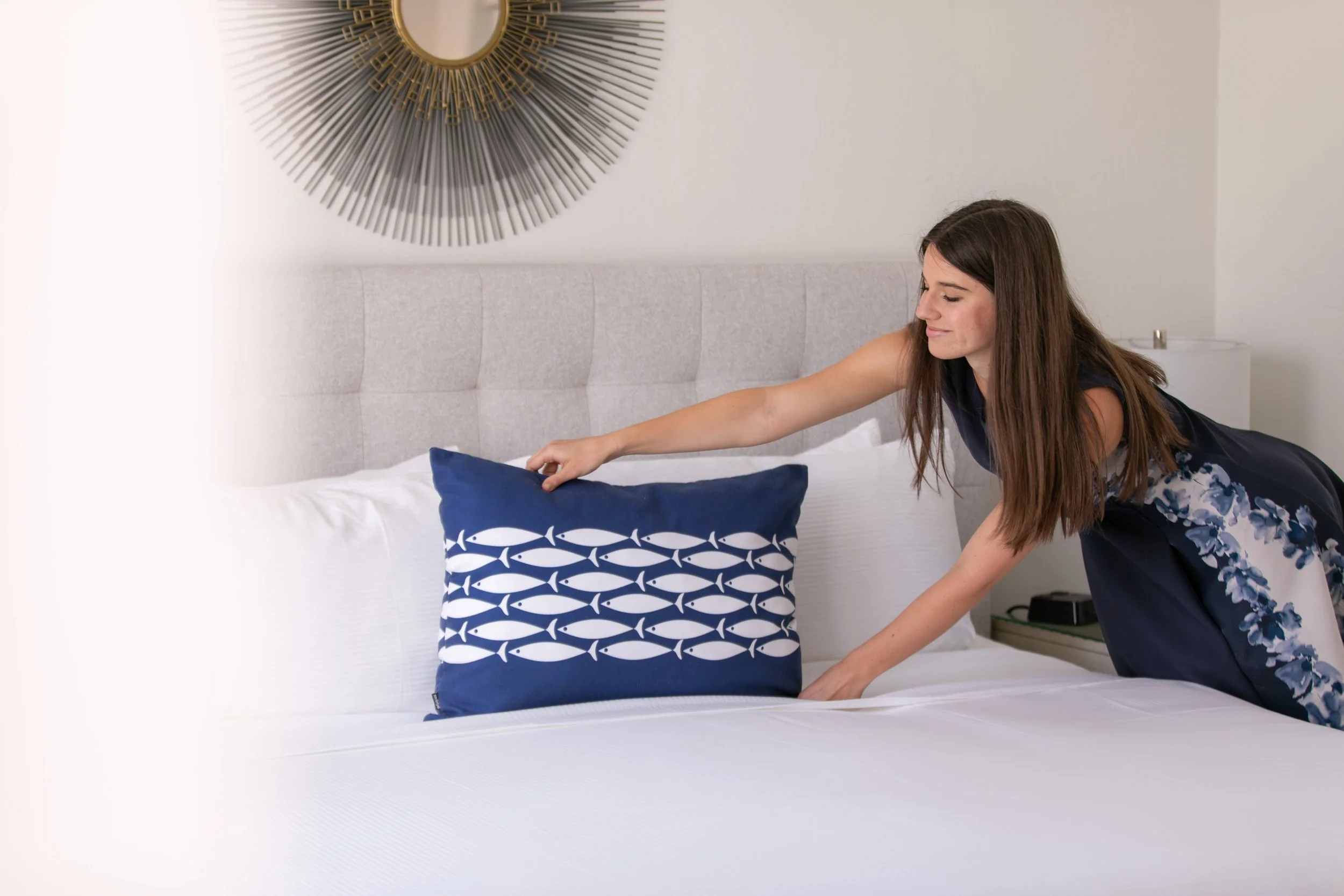
The Pillars Hotel, Fort Lauderdale
How Is a Hotel Art Residency Different from a Commercial Photo Shoot?
This is one of the most common questions from hotel general managers and brand directors encountering this model for the first time.
A traditional commercial hotel shoot is transactional. A stylist resets rooms. A photographer photographs them. The images are technically polished. They show what the hotel looks like when it is empty and staged.
A hotel art residency captures what a hotel feels like when it is alive.
The artist arrives without a shot list designed to replicate a competitor's Instagram feed. They arrive with a practice rooted in observation, patience, and genuine curiosity about the people who give a property its character. The sous chef who has been at the hotel for nineteen years. The concierge who knows every local fishing dock.
These are not supporting characters in a hotel marketing brochure. They are the reason guests return.
The core differences:
A commercial shoot produces deliverables measured in edited images per day. An art residency produces a visual identity measured in emotional resonance and long term brand equity.
A commercial photographer brings their own visual language and applies it to your property. An artist in residence discovers the visual language that belongs to your property and reveals it.
A commercial shoot is a service. An art residency is a collaboration.
What Properties Are the Right Fit for a Hotel Art Residency?
Not every hotel is the right client for this kind of engagement, and Agency Earth is transparent about that.
The properties that benefit most from an art residency are those with a genuine story to tell. This means:
Properties where the team has deep tenure and genuine pride in their work. Staff longevity shows in faces. It shows in the way someone moves through a room. It cannot be cast or styled.
Properties embedded in a community, not just positioned above it. A hotel that sources from local farms, partners with local artists, and employs people from the surrounding area has a story that extends beyond its walls. That story is visual.
Properties willing to be seen, not just showcased. An art residency requires openness. It requires trusting an artist to find what is true rather than approving every frame in advance.
Properties competing for a guest who makes decisions based on feeling. The luxury traveler in 2026 is sophisticated. They have seen every version of the aspirational travel image. What moves them now is specificity. Particularity. A sense that a place could not be anywhere else.
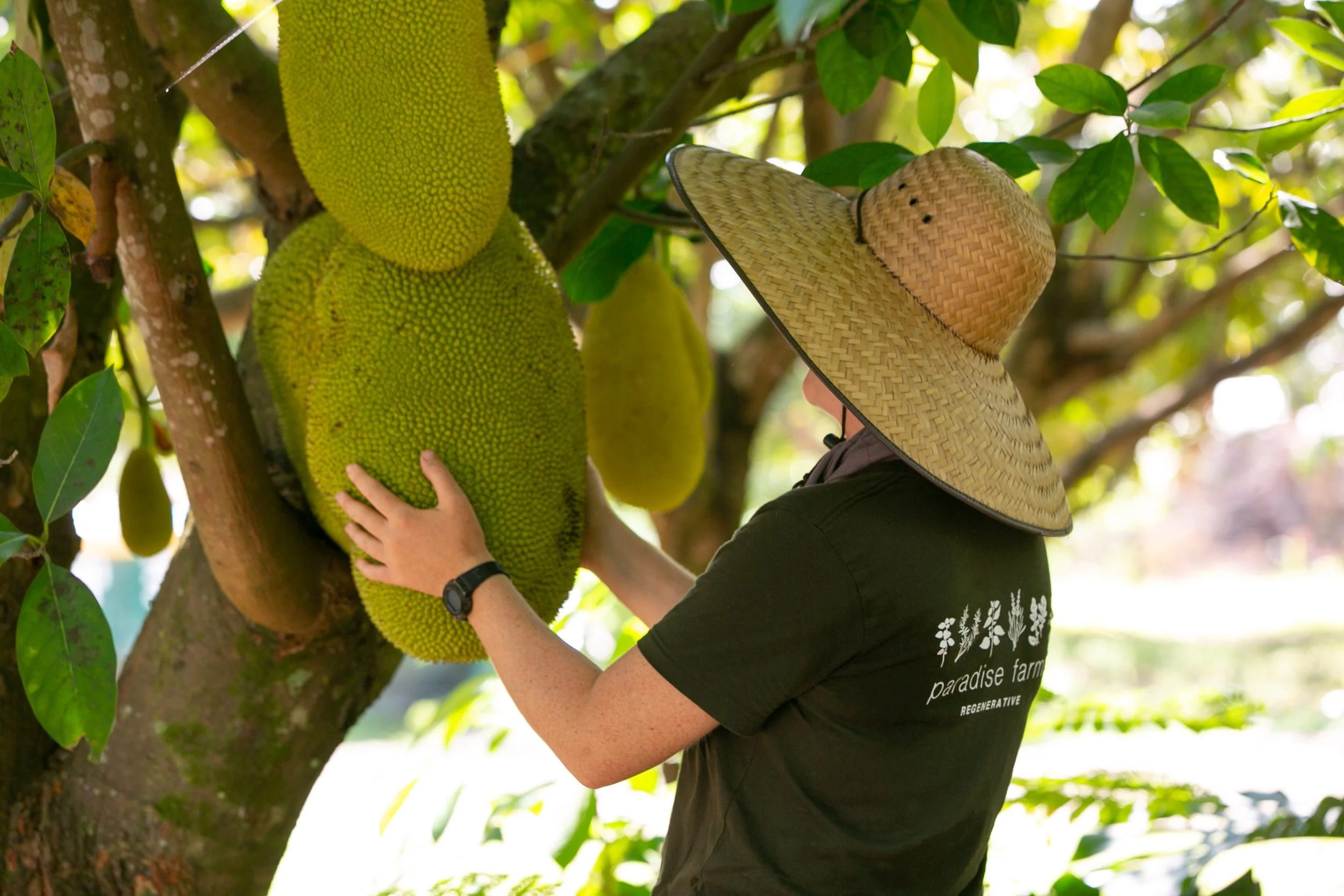
Paradise Farm, Homestead, FL
What Does a Hotel Art Residency Actually Produce?
The deliverables from an Agency Earth residency are tailored to each property. A week engagement will typically produce a visual library covering portrait work with team members and community figures, documentary coverage of service in motion, landscape and architectural work rooted in the property's relationship to its environment, food and beverage content that reflects culinary identity, and still life work that captures the culture and the local tradition.
This library becomes the foundation for campaign imagery, editorial placements, social content, website photography, brand books, and internal culture communications.
The difference is that every image came from a witness, not a stylist. The artist was present for the real version, not the rehearsed one.
How Does Agency Earth Approach Multi-Property Hotel Groups?
For hospitality groups with multiple properties, Agency Earth offers partnership structures that establish a consistent visual language across locations while honoring the distinct identity of each property.
This is one of the more nuanced challenges in luxury hotel branding: how to feel like a family of properties without feeling like a chain. The answer is not a uniform visual template. It is a consistent artistic philosophy applied with sensitivity to place. The same artist, the same practice, the same commitment to revealing what is true, expressed through the particular character of each location.
Why This Work Matters More Now Than It Did Five Years Ago
The visual internet is experiencing an identity crisis. There is more content being produced than at any moment in history, and most of it looks the same.
AI image generation can produce a technically beautiful hotel image of a property that does not exist. Stock photography can approximate the aesthetic of a luxury hotel without the reality of one. Rapid commercial shoots can fill a website with competent photographs.
None of this produces what travelers are actually looking for: a reason to believe that a place is real, that the people in it are real, and that the experience of being there will be different from every other place they could have chosen.
The hotel that can prove its humanity in visual terms has an advantage that no algorithm can replicate, because no algorithm lived inside those walls, ate at that table, or spent three hours with the spa director talking about why she changed careers to do this work.
That is what a hotel art residency produces. And that is why the most discerning properties are choosing it.
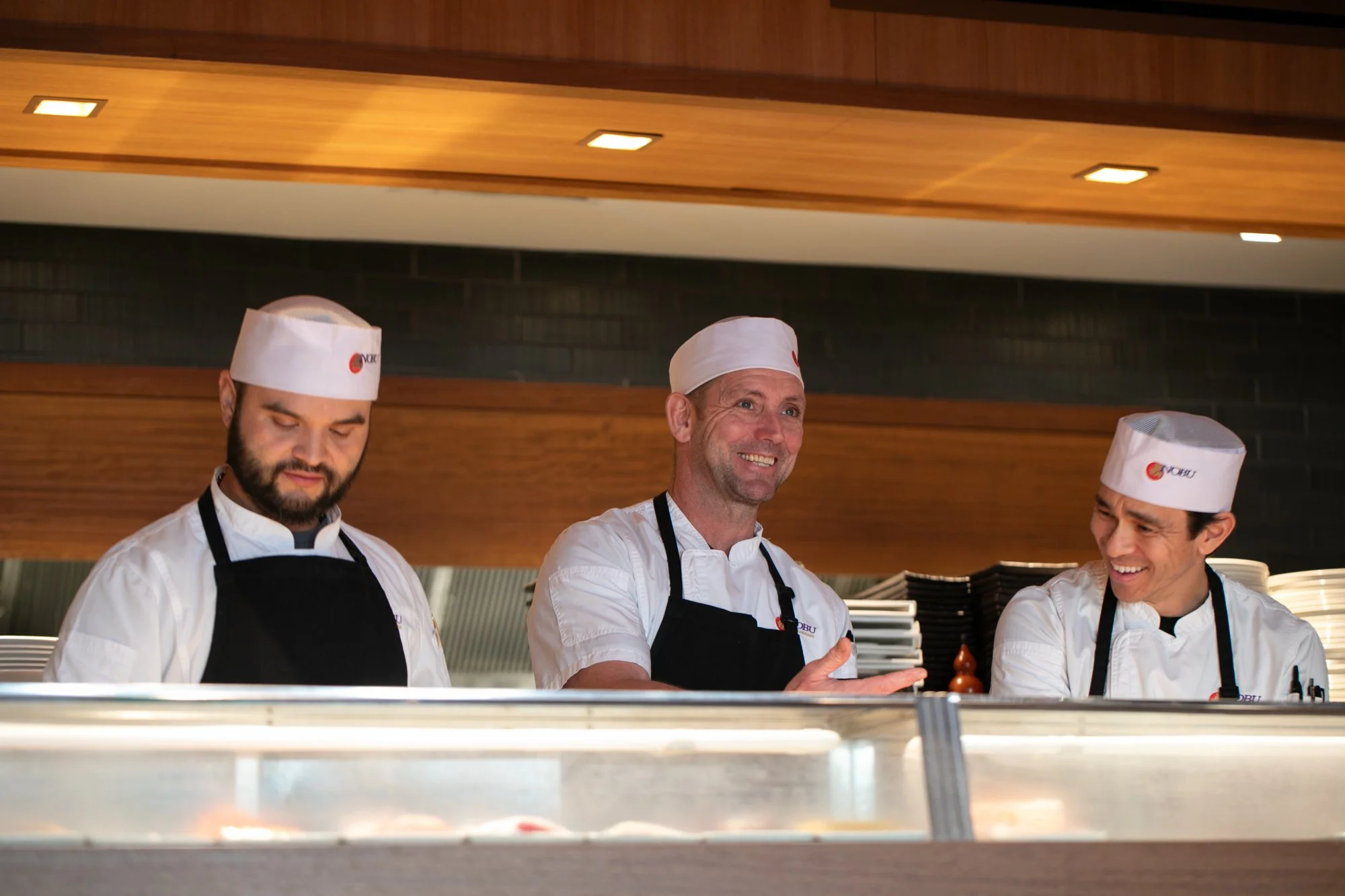
Nobu at Hotel Del Coronado, San Diego
Frequently Asked Questions About Hotel Art Residencies
How long does a hotel art residency last? On average between 7 and 10 days, the length varies by property size, scope, and the depth of storytelling involved. Agency Earth residencies are scoped individually, beginning with a consultation to understand the property's narrative goals, seasonal rhythms, and available access.
What is the investment for a hotel art residency with Agency Earth? Residencies begin at $25,000. The investment reflects extended engagement time, destination research, unlimited usage rights to 500 visuals, and the long term brand value of content that is genuinely differentiated.
How many hotel residencies does Agency Earth take on each year? Only 12 engagements are accepted annually to preserve the depth and focus each collaboration requires. Properties interested in working with Agency Earth are encouraged to initiate a conversation early, particularly for peak travel seasons.
Does Agency Earth work with independent hotels or only with branded properties? Both. Some of the most compelling residency work has been with independent properties where ownership is deeply embedded in the community and the hotel's character is entirely its own. Branded properties benefit equally, particularly when the brand's global identity needs to be expressed through the specific and unrepeatable character of a single location.
Can a hotel art residency support a property re-launch or rebrand? Yes. A residency can be timed to coincide with a renovation completion, a leadership transition, or a deliberate repositioning. In these cases the visual output becomes both a marketing asset and an internal cultural document, marking a moment of becoming.